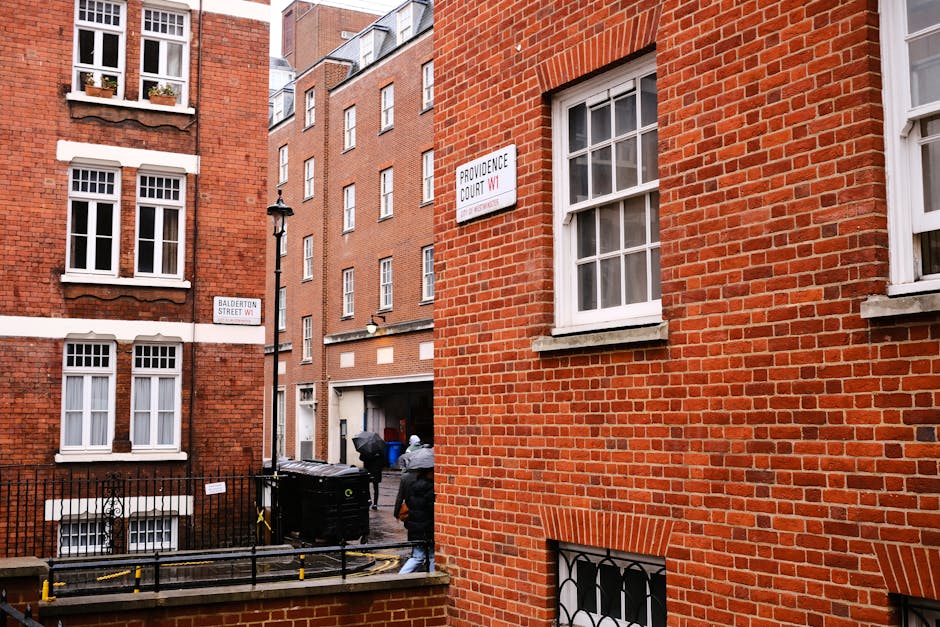
Westminster Council Rules on Household Waste in Marylebone
If you live or work in Marylebone, household waste is one of those everyday things that only becomes noticeable when it goes wrong. Missed bins, overfilled sacks, recycling confusion, or the wrong item left out on the pavement can quickly lead to frustration. Understanding the Westminster Council Rules on Household Waste in Marylebone helps you stay compliant, keep your street tidy, and avoid the sort of avoidable problems that make neighbours mutter under their breath. To be fair, nobody wants that.
This guide breaks the rules down in plain English. You'll find practical steps for sorting, storing, and presenting waste, plus advice for common situations like bulky items, food waste, recycling mistakes, and end-of-tenancy clear-outs. We'll also cover what good practice looks like in a busy central London area, where shared access, limited storage, and service-yard arrangements can make waste management feel a bit more complicated than it should.
For readers who also need help with day-to-day cleaning or property upkeep, it can be useful to look at related services such as domestic cleaning, house cleaning, or end of tenancy cleaning. Those services do not replace council waste rules, of course, but they can make it much easier to keep everything under control.
Table of Contents
- Why Westminster Council Rules on Household Waste in Marylebone Matters
- How Westminster Council Rules on Household Waste in Marylebone Works
- Key Benefits and Practical Advantages
- Who This Is For and When It Makes Sense
- Step-by-Step Guidance
- Expert Tips for Better Results
- Common Mistakes to Avoid
- Tools, Resources and Recommendations
- Law, Compliance, Standards, or Best Practice
- Options, Methods, or Comparison Table
- Case Study or Real-World Example
- Practical Checklist
- Conclusion
- Frequently Asked Questions
Why Westminster Council Rules on Household Waste in Marylebone Matters
Household waste rules are about more than neat bins. In Marylebone, they shape how clean the streets feel, how easy it is for collections to run on time, and how well shared buildings function. This is especially relevant in flats, mansion blocks, converted townhouses, and mixed-use streets where bins may be stored in tight spaces or shared by several households.
When people follow the rules, collections tend to be smoother and streets stay more pleasant. When they do not, the knock-on effects are very visible: rubbish bags left out early, recycling mixed with general waste, bins blocked in by cars, and food waste attracting smells or pests. If you have ever walked past a row of bags on a warm evening in summer, you will know exactly what that looks like. Not ideal.
The rules also matter because waste handling is one of those areas where a small mistake can become an expensive annoyance. Put the wrong items out, use the wrong container, or leave waste in the wrong place and you may end up with a missed collection or follow-up issues. For landlords, managing agents, and tenants, that can create complaints and friction very quickly.
For cleaner homes and safer communal areas, many residents pair good waste habits with services like deep cleaning or one-off cleaning after a move, renovation, or busy family period. Waste rules still apply, but the surrounding space is easier to manage when the property is kept in decent shape.
Expert summary: The simplest way to stay on the right side of household waste rules in Marylebone is to sort waste early, use the correct container, keep presentation times sensible, and deal with bulky items before they become an obstruction.
How Westminster Council Rules on Household Waste in Marylebone Works
At a practical level, the system is about separating waste, storing it safely, and presenting it for collection in the right way. The exact arrangements can depend on the type of property you live in, but the same basic idea applies: recycle what can be recycled, keep food waste separate where required, and place general rubbish out only when it is meant to be collected.
Most households need to think in categories rather than "just rubbish". That usually means general waste, recycling, food waste, and occasionally larger or special items that need separate handling. The main mistake people make is treating everything as one bin. That is where problems begin, and usually in a very avoidable way.
In Marylebone, space is often the biggest practical challenge. Flats may have shared bin stores, some buildings have limited internal storage, and many households rely on carefully timed collections because the pavement outside is narrow or busy. In a place like this, bin discipline is not a minor detail. It is part of keeping the building functional.
It also helps to think about the life of the waste before collection. For example, kitchen scraps should not be left loose in an open caddy, recycling should not be contaminated with greasy takeaway containers, and broken-down cardboard should be placed so it does not blow about on a windy day. You know the scene: one loose box catches a gust and suddenly it is halfway down the street. Happens all the time.
For properties that generate more debris than usual, such as post-renovation homes or busy rental turnovers, services like after builders cleaning can help restore order around the waste area once building materials have been removed. If larger clearances are involved, house clearance may be the more suitable route for removing belongings responsibly.
What usually happens in practice
- Waste is separated into the right stream before it ever reaches the bin.
- Bags or containers are kept tidy and closed where appropriate.
- Collections are set out according to the local schedule and property type.
- Bulkier items are dealt with separately, rather than left beside the bin.
- Residents keep communal areas clear so access is not blocked for others.
Key Benefits and Practical Advantages
Following the council's household waste rules gives you more than compliance. It makes daily life easier, and in a neighbourhood like Marylebone that counts for a lot. Small courtyards stay usable. Bin stores stay less unpleasant. Neighbours are less likely to complain. And if you are renting, you reduce the chances of avoidable deductions or disputes around waste handling. Simple, but important.
There is also a hygiene benefit. Correctly managed waste tends to smell less, attract fewer pests, and create less mess around entrances and shared walkways. Food waste in particular can become a problem surprisingly fast, especially in warmer weather. A bin that was "fine yesterday" can feel very different by lunchtime the next day.
From a property management point of view, consistent waste handling shows that a household or building is being looked after. That can matter for inspections, tenant handovers, concierge arrangements, and day-to-day neighbour relations. It is a small thing, really, but a useful signal.
If you are trying to keep a home in better condition overall, it may also help to use services like home cleaners or cleaners for regular upkeep. That does not replace responsible waste disposal, but it can keep the whole property calmer and easier to manage.
- Cleaner communal spaces: less overflow and less mess near entrances.
- Lower nuisance risk: fewer smells, spillages, and pest attractants.
- Smoother collections: bins are easier to empty when items are sorted properly.
- Better neighbour relations: nobody enjoys chasing down the person who left a rogue black sack in the wrong place.
- Reduced admin for landlords and agents: fewer reminders and fewer complaints.
Who This Is For and When It Makes Sense
These rules are relevant to almost everyone in Marylebone, but some people need them more urgently than others. If you are a tenant, the biggest risk is simply not knowing the building arrangement or putting waste out at the wrong time. If you are a homeowner, the issue is usually storage, especially in smaller properties where one overflowing bin can create a bigger problem than expected.
Landlords and letting agents need a clear system because waste compliance often becomes a handover issue. If a property is left with excess rubbish after a tenancy, the next resident does not want to inherit it. Let's face it, nobody moves into a new place hoping to find someone else's old pizza boxes.
Businesses operating from residential-style premises, or buildings with mixed use, may need to be extra careful. Waste from offices, studios, or treatment rooms should not be handled casually just because the building also contains flats. If you manage a shared property, clear rules around bins, storage, and collection timing are a must.
This is also useful after a big life event: moving home, clearing a family property, finishing a refurb, or recovering from a period when the household has simply been too busy to keep up. In those moments, services such as one-off cleaning or end of tenancy cleaning can help reset the space so waste handling becomes manageable again.
Step-by-Step Guidance
If you want a straightforward way to stay organised, use the steps below. They are not flashy, but they work.
- Check what type of property system you use. Shared bin stores, individual bins, and communal collections all require slightly different habits.
- Separate waste at source. Keep recyclables, general waste, and food waste apart before they pile up in the kitchen.
- Use the correct container. Make sure the item is going into the right bin or sack and not simply the nearest one.
- Keep recyclables clean enough. Food residue, liquid, and obvious contamination can spoil a recycling load. Rinse where appropriate and practical.
- Break down packaging. Flatten cardboard and large boxes so they take up less room and are less likely to blow away.
- Secure your waste. Close lids, tie bags, and avoid leaving loose items in bin stores.
- Present waste on the right day and at the right time. Early dumping is one of the most common causes of street mess in busy areas.
- Remove bulky items properly. Do not leave furniture or appliances beside the bin unless you are sure they are meant to be there.
- Clean the bin area. A quick sweep or wipe-down prevents residue building up and makes the space less unpleasant.
- Review the system after any change. New tenants, new housemates, building works, or a change in collection arrangements can all throw the routine off.
It helps to make this a habit rather than a rescue mission. Once a week is easier than once a month. Once a month is easier than waiting until the bin store smells faintly of despair.
Expert Tips for Better Results
Good waste management is often about the little things. In our experience, the households that have the fewest problems are not the ones with the biggest bins. They are the ones with a simple routine that everybody follows.
- Keep one small "pre-sort" station in the kitchen. A caddy for food waste, a separate bag for recycling, and a general bin nearby can make a big difference.
- Label shared bins if the building is confusing. It sounds basic, but a clear label stops a lot of accidental misuse.
- Do a quick bin check before collection day. Ten seconds saves awkward overflow later.
- Store spare liners and ties where you will actually use them. If the bin bag is always in another room, people won't bother. Human nature, sadly.
- Never leave cardboard loose in windy weather. Marylebone streets can funnel gusts through unexpectedly.
- Make the "last one out" rule clear in shared homes. Someone has to make sure the bin is closed and the route is clear.
- Schedule deeper resets after busy periods. After holidays, move-outs, and renovations, a reset clean can save hours later.
For homes that need a little more help than the usual weekly tidy, house cleaning and deep cleaning can support a cleaner waste routine because the kitchen, utility space, and bin area stay more manageable.
Common Mistakes to Avoid
Most waste problems are not dramatic. They are the result of small habits repeated over and over. The tricky part is that they look harmless at first.
- Using the wrong bin "just this once". That one-off mistake often becomes a pattern.
- Leaving bags out too early. Waste may be torn open, scattered, or simply in the way.
- Overfilling containers. Lids that cannot close properly are a practical problem and a visual one.
- Not dealing with food residue. Smelly recycling is one of the fastest ways to make a bin store unpleasant.
- Ignoring bulky item rules. Furniture left in the wrong place can cause access problems for everyone.
- Assuming shared buildings work themselves out. They rarely do. Someone has to set the standard.
- Letting collection day become "whenever". That is usually how streets end up with a trail of black sacks and apologetic notes.
A slightly boring routine is better than a glamorous mess. And honestly, waste management should be boring. Boring is good here.
Tools, Resources and Recommendations
You do not need fancy equipment to keep household waste under control, but a few simple tools make the whole process easier.
- Kitchen caddy or food waste container: useful for separating scraps quickly while cooking.
- Sturdy bin liners: reduce split bags and spillages.
- Labels for shared bin stores: helpful in multi-occupancy buildings.
- Foldable box or sack for cardboard: keeps packaging together until collection.
- Basic cleaning supplies: a brush, disinfectant, cloths, and gloves for bin-area upkeep.
- Calendar reminders: simple but effective for collection days and bulky waste planning.
If waste management is part of a bigger property reset, it may be worth looking at a cleaning company that can support regular upkeep, or specialised services such as oven cleaning, carpet cleaning, and window cleaning when the home needs more than a quick spruce-up. Clean surfaces and clear storage areas make waste routines much easier to maintain.
For businesses or shared homes, a recurring service plan can also help. If you are the sort of person who likes a fixed system, you will probably appreciate knowing the property gets cleaned on schedule rather than waiting for a crisis. Fair enough, that is a sensible way to do it.
Law, Compliance, Standards, or Best Practice
When people ask about council waste rules, they often want a single hard rulebook. In reality, household waste management is a mix of local collection arrangements, property responsibilities, and general legal duties around keeping waste contained and presented properly. The safe approach is to treat the local collection system as the operational rule, and then make sure the household follows it consistently.
Best practice usually means:
- keeping waste under control so it does not escape into communal or public areas;
- sorting recycling from general rubbish as required by the collection system;
- handling food waste in a way that limits odour and pests;
- not obstructing footways, entrances, or bin stores;
- disposing of bulky or unusual items through the correct route;
- avoiding contamination that can disrupt the collection process.
For landlords and managing agents, it is sensible to keep written household or building waste instructions. That is not overkill. It prevents confusion later, especially when residents move, housemates change, or the building has more than one bin arrangement. If you manage a property in Marylebone, a few clear lines of guidance can save repeated hassle.
Where cleaning and waste handling overlap, safe working matters too. The same property should be handled in a way that reduces slip risks, mess, and contact with dirty surfaces. If you are coordinating cleaners or contractors, see the health and safety policy and insurance and safety information for a clearer picture of how responsible cleaning support should be managed.
Options, Methods, or Comparison Table
When waste builds up, people usually choose between doing the sorting themselves, organising a deep reset, or arranging a clearance-style service for larger volumes. Each method has its place.
| Approach | Best for | Strengths | Watch-outs |
|---|---|---|---|
| Routine household sorting | Day-to-day waste and recycling | Low cost, easy to maintain, keeps habits consistent | Relies on everyone in the home following the same system |
| Deep clean plus bin reset | Messy kitchens, bin stores, and post-busy-period recovery | Restores hygiene and order, helps reset routines | Still requires ongoing household discipline afterwards |
| House clearance | Large volumes, moves, bereavement clear-outs, or major decluttering | Removes significant waste efficiently, reduces DIY burden | Needs planning and the right disposal route |
If you are not sure which route makes sense, think about volume first. A few bags of household waste call for routine sorting. A full flat after a move is another matter entirely. Different jobs, different solutions.
Case Study or Real-World Example
A typical Marylebone example goes like this. A small flat-share in a period conversion has one general waste bin, one recycling container, and a shared entrance hall. For several weeks everything is manageable, then one housemate starts leaving cardboard boxes by the back door "until later". Later becomes all weekend. Then a takeaway container goes into recycling without being rinsed. Then the bin lid stops closing properly. By Monday morning the hall smells damp and the bin store looks cramped.
Nothing dramatic happened. That is the point. It was just a chain of small habits. The fix was equally ordinary: a label on each container, a five-minute Sunday reset, one small food waste caddy in the kitchen, and a rule that packaging must be flattened before it leaves the flat. A cleaner was brought in for a one-off reset, and the household got back to normal fairly quickly.
In a building like that, the goal was not perfection. It was consistency. The moment everyone understood the system, the mess stopped growing. Sometimes that is all you need.
Practical Checklist
Use this checklist if you want to keep things simple and on track:
- Do I know which waste streams my property uses?
- Are recycling, food waste, and general waste kept separate?
- Are bins and bags closed properly before collection?
- Do I know the correct collection day and time window?
- Have I flattened cardboard and packaged items where sensible?
- Have I removed bulky waste from the shared area or arranged proper disposal?
- Is the bin store or collection point free from obstruction?
- Have I cleaned up any spills, leaks, or residue?
- Do everyone in the household or building understand the same routine?
- Do I need a reset clean or clearance service after a busy period?
If you tick most of those boxes, you are probably doing fine. If not, no panic - it usually only takes one proper reset to get the household back into a better rhythm.
Conclusion
Westminster Council Rules on Household Waste in Marylebone are easiest to follow when you treat them as a normal part of home life rather than a last-minute chore. Sort early, keep containers tidy, respect collection timing, and deal with larger items properly. That simple approach keeps homes calmer, shared areas cleaner, and neighbourly tension much lower.
In a busy part of London, good waste habits are part of good living. They make small spaces work better. They stop avoidable smells and clutter. And they save everyone a bit of irritation, which honestly is worth a lot.
If your household needs a fresh start, a cleaner routine, or help after a move, renovation, or tenancy change, it may be the right moment to combine sensible waste habits with professional support.
Get a free quote today and see how much you can save.
Frequently Asked Questions
What are the Westminster Council Rules on Household Waste in Marylebone?
They are the local rules and collection arrangements that tell residents how to separate, store, and present household waste for collection. In practice, that means using the correct bins, avoiding contamination, and putting waste out at the right time.
Do I need to separate recycling from general waste?
Yes, in normal household use you should separate recyclables from general rubbish. Mixing everything together makes collections less efficient and increases the chance of contamination. That part is easy to get wrong if you are rushing, so a simple sorting setup helps.
What should I do with food waste?
Food waste should be kept separate from dry recycling and general waste where your property's collection system requires it. A small kitchen caddy is usually the easiest way to manage this day to day.
Can I leave bin bags out early?
It is better not to. Bags left out too early can be torn, scattered, or block access in shared areas. The cleanest approach is to present waste only when it is due for collection.
What happens if my bin is overfilled?
Overfilled bins may not be collected properly, especially if the lid cannot close. In shared buildings, this can also create overflow and mess around the bin store, which becomes everybody's problem very quickly.
How should bulky items be handled?
Bulky items such as furniture or appliances should not be left beside bins unless they are meant to be there. They usually need separate handling, and in some cases a house clearance or similar service is the more practical option.
Do these rules matter in flats as much as houses?
Yes, probably more so in flats. Shared bins, limited storage, and communal hallways mean that one person's bad waste habit affects everyone else faster than it would in a house.
Is there a best way to avoid smells in bin stores?
Yes. Keep food waste contained, close lids properly, rinse containers when appropriate, and clean the bin area regularly. Once smells start, they tend to linger. No one enjoys that part.
What should I do after a move or renovation?
After a move or renovation, it helps to do a full reset: remove leftover waste, flatten packaging, clean the bin area, and re-establish a sorting system. Services such as after builders cleaning or end of tenancy cleaning can help the property get back to a sensible baseline.
Are landlords responsible for household waste arrangements?
Landlords and managing agents are often responsible for making sure residents know how the property's waste system works. Tenants still need to follow the rules, but clear instructions help avoid confusion and disputes.
What is the easiest way to keep waste under control in a busy household?
Keep it simple: one place for food waste, one for recycling, one for general rubbish, and a regular collection-day check. If the system is too complicated, people ignore it. A straightforward routine usually works best.
Can cleaning help with waste compliance?
Yes, indirectly. Regular cleaning keeps kitchens, bin stores, and communal spaces easier to manage, which makes it more likely that waste will be sorted and stored properly. That is why many households pair waste routines with domestic or deep cleaning support.