Quick Turnaround Cleaning for Marylebone Short-Term Lets
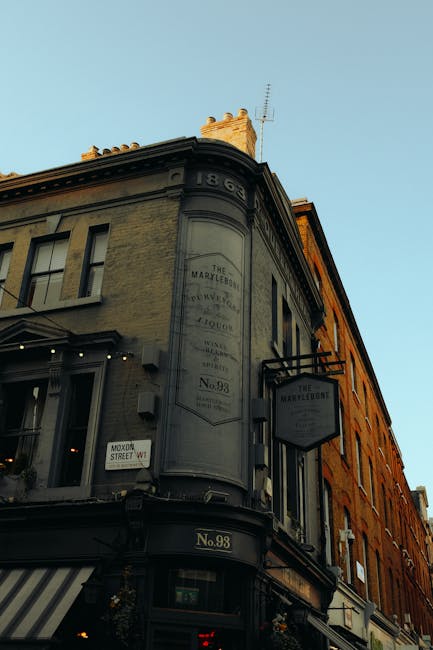
If you manage a short-term let in Marylebone, you already know the awkward bit is not always the stay itself - it is the handover. One guest leaves at 10 a.m., the next arrives later that afternoon, and suddenly the clock starts ticking. Quick Turnaround Cleaning for Marylebone Short-Term Lets is the service that keeps those changeovers calm, tidy, and on schedule.
This kind of cleaning is not just a fast wipe-down. Done properly, it is a focused reset: bedding changed, bathrooms refreshed, surfaces sanitised, floors checked, bins emptied, and those small details sorted before a guest opens the door and notices the place feels clean. In a premium London area like Marylebone, that first impression matters more than people admit.
Below, you will find a practical guide to how turnaround cleaning works, what to expect, what to avoid, and how to keep your property guest-ready without turning every booking gap into a scramble. To be fair, there is a right way to do it, and a rushed wrong way too.
Why Quick Turnaround Cleaning for Marylebone Short-Term Lets Matters
Marylebone has a particular rhythm. Guests expect polish, not just cleanliness. They notice the crispness of the bathroom mirror, the absence of dust on a shelf, the smell in the hallway, the little crumbs that somehow appear near the kettle. If your short-term let is used often, every turnover is a risk point: one small miss can lead to a complaint, a refund request, or a review that sticks around far longer than the mess ever did.
Fast turnover cleaning matters because short-term accommodation runs on trust. Guests trust that the photos match the reality. Hosts trust that the cleaner will arrive on time. And property managers trust that the place will be ready without constant follow-up messages. That is why a proper quick-turnaround process is more than convenience; it is part of the business model.
There is also the local factor. Marylebone properties often have compact layouts, good finishes, and detailed interior styling. That means cleaning has to be careful as well as quick. A streak on a glass table or a dusty skirting board stands out more in a refined flat than it might in a larger, more forgiving space. Sometimes the smallest thing is the loudest thing in the room.
In our experience, the most successful hosts treat turnaround cleaning as a system rather than a task. They plan around check-in windows, keep a clear inventory of supplies, and use one-off cleaning support for busy weeks or high-change periods. That way, the property stays consistent even when bookings are not.
How Quick Turnaround Cleaning for Marylebone Short-Term Lets Works
Quick turnaround cleaning is designed around speed, sequence, and consistency. It starts with a clear handover time, then follows a room-by-room checklist so no essential task gets missed when the pressure is on. The cleaner is usually working to a guest-ready standard rather than a deep-clean standard, although the two can overlap depending on how long the property has been occupied.
A typical turnaround clean may include stripping beds, replacing linen, refreshing bathrooms, wiping kitchen surfaces, cleaning mirrors, checking appliances, vacuuming, mopping, removing rubbish, and making sure the space looks inviting from the moment the guest steps in. If something has gone wrong - a spill on the sofa, a stain on the carpet, an oven that needs attention - that is where specialist support can help. Services such as sofa cleaning, carpet cleaning, or oven cleaning may be brought in alongside the core turnover routine.
The key is that every changeover follows the same order. That avoids the classic problem of running out of time after doing the visible bits first and leaving the less glamorous jobs until the end. A good cleaner will usually work top to bottom, dry before wet, and tidy before polish. Boring? Maybe. Effective? Absolutely.
For larger or more heavily used properties, a quick turnaround clean can also sit within a wider maintenance plan that includes deep cleaning between guest cycles. That combination tends to work best: short sharp resets between stays, with periodic more thorough work to stop grime creeping in over time.
Key Benefits and Practical Advantages
There is no mystery here. The benefits of proper turnaround cleaning are practical, immediate, and easy to feel when things go right.
- Faster guest readiness: The property can be reset efficiently between bookings without panic.
- Better reviews: Cleanliness is one of the first things guests mention, especially if anything is off.
- Reduced stress: You are not chasing the cleaner, the laundry, and the welcome pack all at once.
- More consistent standards: A repeatable process gives predictable results, even on busy weeks.
- Less wear and tear buildup: Regular cleaning spots issues early before they become expensive problems.
There is also a subtler benefit: guest confidence. When a property feels fresh, people settle in more quickly. They are less likely to inspect every corner looking for faults. That small sense of ease can shape the whole stay.
From a business point of view, this matters because short-term lets depend on occupancy and reputation. If your cleaner can turn the property around smoothly, you can accept tighter booking gaps with more confidence. That flexibility can be very valuable in Marylebone, where demand patterns can shift quickly depending on season, work travel, weekends, and event calendars.
If you are comparing providers, it is sensible to look at pricing and quotes alongside service scope. The lowest number on the page is not always the best value if it does not include linen changes, appliance checks, or the small finishing touches that make the property feel ready.
Who This Is For and When It Makes Sense
Quick turnaround cleaning is not only for large property portfolios. In fact, some of the most obvious users are owners of just one or two apartments who need every booking to go smoothly.
- Airbnb and short-let hosts who need a dependable reset between guests.
- Property managers balancing multiple check-ins, access arrangements, and deadlines.
- Landlords offering furnished rentals with frequent occupancy changes.
- Relocation and corporate let operators who need hotel-like presentation.
- Homeowners renting out a room or flat during travel or between longer stays.
It makes sense whenever the property must be fully ready in a short window, especially when guests are arriving on the same day as the previous departure. It also makes sense after a difficult stay. Let's face it, not every guest behaves like they borrowed the place from a careful friend.
Some properties need more than standard turnaround work. If there has been a longer vacancy, significant dust, renovation residue, or heavy use, then a more intensive house cleaning or domestic cleaning approach may be the better starting point. For larger business-related properties, office cleaning standards can even offer a helpful benchmark for daily presentation and consistency.
The real question is not "Do I need cleaning?" but "How quickly do I need the property back to a guest-ready standard, and how reliable does that process need to be?" That is where turnaround cleaning earns its place.
Step-by-Step Guidance
When the turnover window is tight, process beats improvisation. Here is a simple, workable approach.
- Confirm departure and arrival times early. Build the cleaning schedule around the real gap, not an optimistic guess.
- Walk the property quickly after checkout. Look for visible issues, missing items, spills, stains, and anything broken or unusual.
- Start with waste removal and linen. Clear rubbish, collect used towels and bedding, and get laundry moving straight away.
- Clean the kitchen and bathroom first. These spaces create the strongest cleanliness impression, so they deserve priority.
- Work through bedrooms and living areas. Dust surfaces, wipe touchpoints, vacuum floors, and reset furniture.
- Finish with checks. Replace consumables, open curtains if suitable, check lights, and make sure the place looks lived-in but fresh.
- Do a final scent and sight pass. Nothing too fussy. Just enough to catch what a guest will notice at the door.
That last step sounds small, but it matters. A room can be technically clean and still feel off if it smells damp, stale, or overly chemical. Fresh air helps. So does restraint.
If your property has hard flooring in hallways or kitchens, keep a close eye on slip hazards and residue. A well-finished hard floor cleaning routine can help preserve the appearance while reducing that slightly sticky feeling that ruins an otherwise good reset. On properties with large windows or street-facing glass, window cleaning can make a surprisingly big difference too. Natural light lifts the whole room.
Expert Tips for Better Results
Small refinements often make the biggest difference in short-let cleaning. Here are the habits that usually separate an average turnover from a strong one.
- Keep duplicate supplies on site. That means bin liners, cloths, toilet paper, tea towels, and basic consumables.
- Use a standard order for every visit. People clean faster when they are not deciding the sequence from scratch.
- Photograph problem areas after each stay. This is useful for maintenance, communication, and tracking repeat issues.
- Separate visible cleaning from hidden cleaning. Guests see surfaces first, but they notice build-up in corners eventually.
- Protect the soft furnishings. Cushions, throws, and rugs need more than a shake-out if the property turns over often.
If the property has upholstered chairs, fabric headboards, or fabric sofas, adding upholstery cleaning on a planned schedule can stop the space looking tired before its time. The same goes for rug cleaning where traffic is heavy. These are not always urgent jobs, but they are the ones that quietly keep the property looking cared for.
Another good habit: create a "guest eyes" test. Stand at the door, pause, and look at the room the way a newcomer would. Does the bed presentation feel crisp? Is the bathroom mirror clear? Is there any clutter near the kettle or sink? It sounds almost too simple, but it catches a lot.
One more thing. If there is a stubborn kitchen issue, do not keep pretending it will disappear on its own. Sometimes you need the blunt tool. A proper oven cleaner can save both time and a few awkward guest comments.
Common Mistakes to Avoid
Quick turnover cleaning fails in predictable ways. The good news is that most of them are avoidable once you know where the traps are.
- Starting too late. Even a good cleaner cannot compress a two-hour job into forty minutes without compromise.
- Not preparing the property for cleaning. If access is unclear or supplies are missing, the whole schedule slips.
- Skipping the final check. Tiny misses - a forgotten towel, a smear on glass - can become guest complaints.
- Confusing turnover cleaning with deep cleaning. They are related, but not the same thing.
- Leaving maintenance problems unresolved. No cleaner can make a leaking tap or broken blind disappear.
A surprisingly common issue is trying to do too much in the changeover window. The host wants laundry, restocking, surface cleaning, and a minor repair all at once. Humanly understandable. Operationally messy. If you can separate cleaning from maintenance tasks, you will usually get better results from both.
Another mistake is assuming every property needs the same cleaning formula. A bright studio near Marylebone High Street does not behave like a larger family let. The footprint is different, the traffic patterns are different, and the touchpoints are different. Good cleaning responds to that. It does not bulldoze through it.
Tools, Resources and Recommendations
You do not need a giant kit, but you do need a smart one. The best turnover setups are usually simple, organised, and easy to replenish.
- Microfibre cloths for dusting, wiping, and polishing without leaving lint behind.
- Vacuum cleaner with attachments for corners, stairs, upholstery, and skirting edges.
- Mop and bucket or spray mop for hard floors and tiled areas.
- Bathroom and kitchen-safe cleaning products suited to the surfaces in the property.
- Spare linen and consumables stored neatly and labelled if possible.
- Checklist sheet or digital record to keep the process consistent.
If the property has a lot of traffic or guests with long stays, a more regular maintenance rhythm may be worth considering. Services such as deep cleaning and carpet cleaning can be scheduled less frequently, while a quicker clean keeps the property sharp between bookings. That combination often makes more sense than trying to solve every problem with one heavy clean.
It also helps to work with a cleaning company that understands short-let timing, access instructions, and guest-facing standards. In practice, that means the service is organised, responsive, and not thrown by a same-day handover. That calm matters more than people think.
Law, Compliance, Standards and Best Practice
Short-term let cleaning sits inside a broader set of responsibilities around guest safety, property condition, and trustworthy service delivery. You do not need to turn the whole thing into a legal seminar, but you do need sensible standards.
At a practical level, that usually means using safe cleaning products, following basic health and safety procedures, and making sure cleaners are not working in unsafe conditions. Clear access instructions, secure key handling, and sensible reporting of damage all belong here too. If you are using an external provider, it is reasonable to ask about their health and safety policy and insurance and safety arrangements.
For hosts, there is also a good practice expectation around data, privacy, and how guest belongings are handled. You do not need to overcomplicate it. Just keep access limited, avoid moving personal items unnecessarily, and make sure cleaners know what to report rather than touch.
If your property is part of a managed portfolio, supplier terms matter too. Clear scope, service windows, cancellation terms, and payment expectations reduce friction. That is where terms and conditions and payment and security information become useful rather than decorative.
Good practice also includes sustainability. Reusable cloths, sensible product use, and waste sorting are not just nice extras; they are part of keeping the operation tidy. If that is important to you, a provider with a visible recycling and sustainability approach is worth a closer look.
Options, Methods and Comparison Table
Not every short-term let needs the same type of clean. The right choice depends on how often the property turns over, what shape it is in, and how much time you have between guests.
| Method | Best for | Strengths | Limitations |
|---|---|---|---|
| Quick turnaround clean | Same-day guest changeovers | Fast, focused, consistent, guest-ready | Not ideal for heavy build-up or neglected areas |
| Deep clean | Periodic reset between busy booking runs | More thorough, tackles hidden dirt and build-up | Takes longer and may need more planning |
| One-off clean | Occasional support or urgent catch-up | Flexible and useful after unusual guest use | Less efficient if you need it every week |
| Specialist add-ons | Problem areas like ovens, carpets, or upholstery | Targets stubborn issues without disrupting the whole property | Needs extra scheduling and budget |
In a well-run Marylebone short-let, the best setup is often a blend: turnaround cleaning for the regular reset, with periodic specialist help where needed. That is usually more efficient than forcing every job into the same box. The property stays sharp, and your team stays sane. Well, saner.
Case Study or Real-World Example
Picture a compact two-bedroom apartment near Marylebone Station. One guest checks out at 10 a.m. on a Friday; another arrives at 3 p.m. The host has only a small window, a laundry bag full of bedding, and a property that needs to look immaculate because the next booking is for a family arriving from overseas. No pressure, then.
In that situation, a good turnaround process makes all the difference. The cleaner begins with rubbish removal and linen, then moves into the bathroom and kitchen first. While the laundry runs, surfaces are wiped, mirrors polished, beds remade, and the living room reset. There is a quick check for fingerprints on glass, stray hair in the bathroom, and any crumbs in the sofa cushions.
During the final inspection, the cleaner spots a faint stain on the rug near the seating area and reports it immediately. Because the host has a plan in place, the rug is booked for rug cleaning later that week rather than being ignored until it becomes a bigger problem. The apartment is ready on time, the guest arrives to a fresh space, and the host avoids that horrible minute-before-check-in panic. The whole thing feels ordinary. Which is exactly how it should feel.
That is the real value of a good quick-turnaround setup: not glamour, just calm reliability. And honestly, calm is worth a lot when bookings are close together.
Practical Checklist
Use this checklist before every guest changeover. It is simple on purpose.
- Confirm checkout and next check-in times.
- Check access instructions, keys, and entry codes.
- Remove rubbish and clear all waste bins.
- Strip beds and collect used towels.
- Clean and sanitise bathroom surfaces.
- Clean kitchen counters, sink, taps, and appliance fronts.
- Check oven, hob, and microwave for visible residue.
- Wipe touchpoints such as handles, switches, and remotes.
- Vacuum carpets, rugs, and soft furnishings where needed.
- Mop hard floors and allow them to dry properly.
- Replace linen and restock consumables.
- Open curtains or blinds if appropriate and check lighting.
- Do a final walkthrough from a guest's point of view.
- Report damage, missing items, or maintenance issues right away.
If you want a more recurring support arrangement, it can help to compare with home cleaners or cleaners who already understand domestic presentation standards. The right fit is usually the one that feels organised, responsive, and steady when the schedule gets tight.
Get a free quote today and see how much you can save.
Conclusion
Quick Turnaround Cleaning for Marylebone Short-Term Lets is really about protecting the guest experience while keeping your operation efficient. It is the difference between hoping the flat will be ready and knowing it will be ready. In a neighbourhood where presentation matters and bookings can move quickly, that certainty is not a small thing.
The best results come from a clear process, the right priorities, and a realistic understanding of what can be done in a short window. Add the occasional deeper clean, keep specialist tasks separate when needed, and insist on a standard that feels consistent from stay to stay. Simple, but not easy. That is often how good hospitality works.
If you get the turnaround right, everything else gets a little lighter. Guests settle in faster, reviews are easier to protect, and the place simply feels looked after. And after a long week of changeovers, that feels pretty good.
Frequently Asked Questions
What is quick turnaround cleaning for short-term lets?
It is a fast, guest-focused cleaning service carried out between bookings so the property is ready for the next arrival. It usually covers linen changes, bathroom and kitchen resets, vacuuming, floor cleaning, waste removal, and a final presentation check.
How is it different from a deep clean?
A quick turnaround clean is designed to reset the property quickly after use. A deep clean goes further and tackles built-up dirt, hidden grime, and less visible areas. Most short-term lets benefit from both, just at different times.
How much time does a turnaround clean usually take?
It depends on the size and condition of the property, the number of rooms, and whether laundry or specialist tasks are included. A small, well-kept flat will be faster than a larger property with heavier use. The important part is allowing enough time so the standard does not drop.
What should a cleaner do first during a same-day changeover?
Rubbish removal and linen handling usually come first, followed by bathrooms and kitchens. Those spaces have the biggest impact on guest perception, so they should be prioritised before moving on to bedrooms and living areas.
Can quick turnaround cleaning include linen changes?
Yes, in many short-term lets it should. Linen changeovers are often part of the process, provided the host has clean bedding available and the cleaner knows where everything is stored. Clear instructions save a lot of back-and-forth.
Do I need specialist cleaning for carpets or sofas?
Not every turnover will need it, but it becomes useful if stains, odours, or visible wear are building up. Periodic carpet cleaning and sofa cleaning can help maintain a higher standard over time.
What are the biggest mistakes hosts make with turnover cleaning?
The most common mistakes are starting too late, not giving enough instructions, skipping final checks, and expecting one quick clean to fix deeper maintenance problems. A good process needs planning, not guesswork.
Is quick turnaround cleaning suitable for luxury short lets?
Yes, and in some ways it is even more important for premium properties because guests notice detail more quickly. The cleaner needs to work carefully and consistently, with special attention to finishes, presentation, and touchpoints.
Should I use the same cleaner every time?
If possible, yes. Familiarity helps because the cleaner learns the layout, the storage spots, the property quirks, and your preferred standard. That said, reliable cover for holidays or busy periods is also sensible.
How can I reduce complaints about cleanliness?
Use a clear checklist, prioritise bathrooms and kitchens, check the property before the guest arrives, and keep a maintenance plan for problem areas. It also helps to work with a provider whose standards and communication are dependable.
What if a guest leaves damage or excessive mess?
Document the issue, separate cleaning from repairs where possible, and arrange specialist work if needed. If the property needs a reset beyond normal turnover work, a one-off or deeper clean may be the right next step.
How do I choose a cleaning provider for my Marylebone short let?
Look for clear communication, consistent timing, sensible insurance and safety arrangements, and a practical understanding of guest-ready standards. It is also worth checking relevant policies such as about the company and pricing and quotes so you know what to expect before booking.